

When you are choosing online Tajweed classes for kids in the USA, you are really asking practical, parent-focused questions: age, level, schedule, language, and how to keep children motivated and safe online. The answers below walk through each of your questions in simple, clear English that works for both parents and older kids.
What age should kids start online Tajweed classes?
Most children are ready to start structured Tajweed between ages 5 and 7, once they can sit and focus for 20–30 minutes and recognize basic letters or sounds. Younger kids can begin with very light, play‑based Quran and Arabic activities, then move gradually into pronunciation and simple rules.
If your child is older, it is never “too late” to begin; older kids often move faster because they can understand instructions, follow homework, and practice independently between lessons.
Are online Tajweed classes good for children?
Yes, online Tajweed classes can be excellent for children when they are live, interactive, and taught by trained teachers who know how to work with kids. A good online class feels like a small, friendly Quran session at home: your child reads, the teacher corrects, and there is repetition, encouragement, and a bit of fun.
For families in the USA, online Tajweed classes also solve big problems: long commutes to the masjid, busy school schedules, and lack of local qualified teachers. With a strong platform like Quran Beauty Online, kids work one‑on‑one with patient tutors who specialize in young learners.
Do kids need to learn Noorani Qaida before Tajweed?
For most children, learning Noorani Qaida or a similar primer is the best first step before full Tajweed rules. These primers teach letter shapes, sounds, joining, and short vowels so kids do not struggle later.
If your child already reads Quran, the teacher may review or “fill gaps” instead of starting Noorani Qaida from page one. In many programs, Noorani or Noor Al‑Bayan is built into the early levels of online Tajweed classes for kids, so children move smoothly from letters to real recitation.
How do online Tajweed classes work for kids?
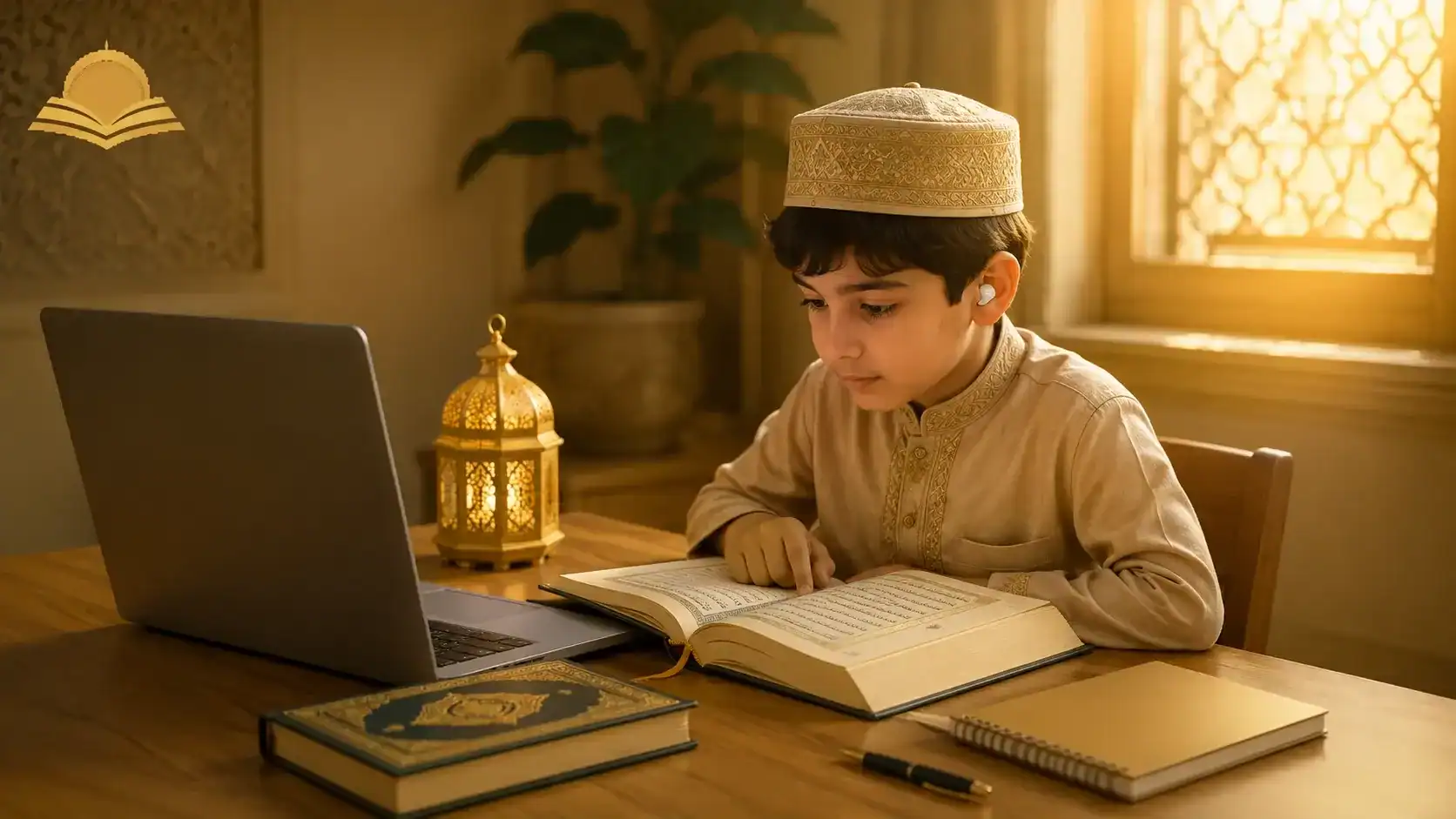
In a typical lesson, the teacher and child connect live on Zoom or a similar platform, often with a digital mushaf or shared screen. The teacher reads first, the child repeats, and then the child reads independently while the teacher corrects pronunciation, stretching, and common mistakes.
Outside the live session, children get simple homework such as reading a short page to a parent, listening to an audio, or practicing problem letters. Well‑designed online Tajweed classes for kids usually include small, clear goals, so the child knows, “This week I am mastering these lines” instead of feeling lost.
Are one-on-one Tajweed classes better for children?
One‑on‑one classes are often the best option for younger kids, shy children, or students who need extra attention. The teacher can slow down, repeat, or change activities the moment your child loses focus, which is much harder in a group class.
Group classes can be useful for older, confident kids who enjoy learning with friends, but one‑to‑one lessons usually produce faster progress and fewer bad habits. That is why many academies, including Quran Beauty Online, focus heavily on one‑on‑one teaching for kids.
Can non-Arabic speaking kids learn Tajweed online?
Absolutely. Many students at Quran Beauty Online come from English‑speaking homes in the USA, UK, Canada, and other countries and do not speak Arabic at home. Teachers explain rules in clear English, then connect them to Arabic examples, so kids understand what to do, not just what to memorize.
A good teacher will model sounds slowly, use familiar English comparisons where possible, and give your child time to practice tricky letters like ق, خ, and غ without pressure. With that support, non‑Arabic speaking kids can do very well in online Tajweed classes for kids.
How many classes per week are best for kids?
| Age / situation | Recommended classes per week | Why this works for kids in the USA |
|---|---|---|
| Young kids (around 5–7 years old) | 1–2 classes per week | Builds habit gently without tiring them, while they are still learning to focus and recognize letters. |
| School-age kids (around 8–12 years old) | 2–3 classes per week | Gives enough contact time for correction and new material, but still fits around school and homework. |
| Teens or advanced readers | 3 classes per week | Supports faster Tajweed improvement and transition to fluent recitation or early Hifz. |
| Very busy families (tight schedules) | 1 class per week (to start) | Keeps a minimum, consistent connection to Quran until you can increase frequency later. |
| Highly motivated kids / summer break | 3–4 classes per week | Takes advantage of extra free time to boost progress without long school days in the way. |
What should parents look for in a Quran teacher?
When choosing a Quran teacher for your child, look for:
| What to look for | Why it matters / What it helps with |
|---|---|
| Strong recitation and Tajweed credentials (Ijazah or study with qualified scholars) | Ensures your child hears and copies correct Quran recitation, preventing mistakes in pronunciation that can change meanings. |
| Experience teaching kids, not just adults, with patience and a kind, encouraging attitude | Children learn better with teachers who understand their pace, behavior, and learning style, making lessons calmer and more effective. |
| Clear English communication for USA-based families or kids with limited Arabic | Helps children actually understand instructions and Tajweed rules, instead of just copying sounds without comprehension. |
| A structured plan for levels, tests, and feedback (not random reading each week) | Gives parents and kids a clear roadmap and progress tracking, so you can see steady improvement instead of feeling stuck. |
| A safe, comfortable connection so your child feels relaxed with the teacher (checked via trial class) | When kids feel safe and respected, they participate more, ask questions, and build a positive, long-term relationship with the Quran. |
Do online Quran classes for kids offer free trials?
Most professional academies now offer at least one free trial class so parents can test the teacher, platform, and schedule without risk. Quran Beauty Online, for example, encourages families to book a free trial before choosing a plan, so you can see how your child responds to the tutor and format in real time.
During the trial, pay attention to how the teacher speaks to your child, corrects mistakes, and keeps them engaged. This short session can tell you more than any website or brochure.
Can kids learn Tajweed in English?
Yes, many kids in the USA learn Tajweed with English explanations and Arabic practice. Teachers describe each rule in English, show examples from the Quran, and then help students repeat until the rule feels natural.
Over time, children pick up Arabic terms like ikhfa, idgham, and madd, but they do not need to be fluent in Arabic to start. The main goal is correct sound and application; language can grow alongside recitation.
How long does it take kids to learn Tajweed?
The timeline depends on your child’s age, starting level, and how often they practice. With two to three regular classes per week and some home practice, many kids can cover the core rules of Tajweed within 9–18 months.
Mastery takes longer. Children may need another year or more of steady reading and correction to apply all the rules smoothly in every surah. The key is consistency rather than speed; short, regular lessons are better than long, irregular sessions.
Are weekend Quran lasses available in the USA?
Yes, many academies schedule weekend slots specifically for US time zones, so children can attend Saturday or Sunday classes without clashing with school. This is especially helpful for families who travel to activities during weekdays or live far from a local masjid.
When you contact a provider, ask directly about their weekend availability for your time zone (for example, Eastern or Pacific) and whether the same teacher can commit to the same weekend time each week.
Do online Quran classes include progress tracking?
Good programs do. Progress tracking can include short quizzes, regular revision sessions, teacher notes, and periodic reports for parents. Some academies share monthly updates so you know which surahs or pages your child has covered and which rules they have mastered.
At Quran Beauty Online, teachers build personalized lesson plans and adjust them based on how quickly your child progresses, making it easier for parents to see both strengths and areas that need extra practice.
Can kids join Tajweed classes after school?
Yes, after‑school timing is one of the biggest advantages of online Tajweed classes for kids. Many US families choose slots between 4 pm and 8 pm local time, when children are home from school, have had a snack, and are ready for a short, focused Quran session.
If your evenings are busy, you can look for early‑morning or weekend options instead. The flexibility of online learning means you can usually find a time that works around sports, homework, and family time.
What is the difference between Quran reading and Tajweed?
Quran reading focuses on recognizing letters and words and being able to read the text from the mushaf, even if the pronunciation is not perfect. It is the first step: sounding out letters, joining them correctly, and following the basic vowels.
Tajweed is the science of reading those same words in the most accurate, beautiful way – with correct articulation, stretching, nasalization, and stopping. Online Tajweed classes for kids build on basic reading and teach children to recite the Quran as it was revealed, letter by letter and rule by rule, in a way that pleases Allah and protects the meaning.
FAQ
Do kids need special equipment for online Tajweed classes?
Children do not need expensive equipment; a basic laptop or tablet, a stable internet connection, and a quiet corner at home are usually enough. A simple headset with a microphone can help the teacher hear your child’s recitation clearly and reduce background noise.
Is it safe for kids to take Tajweed classes online?
Online Tajweed classes can be very safe when the academy uses secure platforms, verified teachers, and allows parents to supervise or sit nearby. Look for programs that offer private links for each class, clear child-safety policies, and open communication with parents about who is teaching their child.
What if my child has a short attention span?
Many online Quran programs design lessons for kids in short, focused blocks and mix reading with games, visuals, and repetition to keep children engaged. If your child struggles to focus, start with shorter sessions and increase gradually, and choose one-on-one classes so the teacher can adjust the pace at any moment.
Can siblings learn Tajweed together in the same class?
Some academies allow two siblings of similar age and level to attend the same online Tajweed class, which can save time and motivate them to practice together. However, if their levels are very different, separate one-to-one lessons usually give each child the attention they need.
How involved should parents be in online Tajweed classes?
Parents do not need to sit in every minute, but it helps to be available at the start of class, support homework, and check in regularly with the teacher. Even a quick weekly message or review of progress reports shows your child that Quran time is important and encourages them to stay committed.
Do online Tajweed classes for kids help with Hifz later on?
Yes, strong Tajweed and reading skills make Hifz much easier in the future, because children memorize correct sounds and rhythms from the beginning. Many academies move children from online Tajweed classes for kids into structured Hifz programs once their recitation is fluent and accurate.